
Heartburn and Reflux Disease (GERD)
About heartburn and reflux (GERD)
GERD is a medical condition in which stomach acid repeatedly flows back into the oesophagus. It is diagnosed and managed by a doctor. The information below is for information only.
In short: Reflux, or GERD, happens when stomach acid or food flows back into the oesophagus, causing the familiar burning feeling known as heartburn. It can be uncomfortable and sometimes affect daily life, but with the right habits, lifestyle changes and treatment most people can manage it and feel much better.
In this article
What is it: heartburn and reflux (GERD)
After a sumptuous meal, many people have experienced heartburn — an uncomfortable burning sensation behind the breastbone. Sometimes burping after a meal is also normal. In Western countries, up to 20 out of 100 people experience heartburn or belching every now and then. Both can be unpleasant, but usually have no further consequences. However, if you have very frequent or severe heartburn and burping, you might have reflux disease. It is also called gastroesophageal reflux disease, or GERD for short. The term "gastroesophageal" means that the stomach and the oesophagus are affected.
Normally, the oesophagus/stomach junction is closed. It only opens when food mixed with saliva reaches it. Once the stomach has absorbed the food, it closes again so that the stomach contents do not flow back.
When the stomach is stretched — for example after a large meal — the closure at the entrance to the stomach may temporarily loosen. Then it sometimes lets air or some stomach contents through to the top. Sometimes the closure opens for no apparent reason. The rising gastric juice irritates the mucous membrane of the oesophagus, which makes itself felt as heartburn. If gastric juice acts on the mucous membrane of the oesophagus for a longer period of time, it can become inflamed and painful.
Symptoms
Some people have frequent or comparatively large amounts of stomach contents flowing back into the oesophagus. We speak of reflux disease when this backflow causes frequent or severe heartburn or belching that affects quality of life, or when the oesophagus becomes inflamed.
Heartburn manifests as a burning sensation that radiates from the upper abdomen or the region behind the breastbone upwards to the throat. In addition to belching and heartburn, reflux disease can also be accompanied by difficulty swallowing. Other possible symptoms include a burning sensation in the throat, a bad taste in the mouth and stomach noises. Often there is also a strong feeling of fullness, sometimes nausea and vomiting.
Reflux (GERD) can also lead to symptoms such as an irritating cough, asthma attacks, a clogged voice and hoarseness, or toothache. These occur when the refluxing gastric juice enters the windpipe and irritates the respiratory tract, or rises up into the mouth and attacks the teeth.
Causes and risk factors: heartburn and GERD
Just before the stomach opens, the oesophagus narrows. This narrowing is normally closed by muscles of the oesophagus and diaphragm. In reflux disease, this "closure" does not work properly. It is often not clear why this happens.
Reflux self-check
Tick anything that applies to you. This is not a diagnosis — it only helps you decide whether to talk to a doctor.
Symptoms
Lifestyle triggers
Select any that apply to you.
This tool is for information only and does not replace medical advice.
In some people, a hiatal hernia is the cause. The diaphragm is a muscle plate that separates the chest from the abdomen. The oesophagus passes from above through a narrow gap in the diaphragm and opens into the stomach directly behind it. In the case of a hiatal hernia, the stomach slides a little upwards into the chest cavity through the resulting gap. As a result, the diaphragm can no longer support the closure at the junction between the oesophagus and the stomach.
It is discussed whether obesity, smoking and alcohol can also impair the closure or contribute to reflux and heartburn. Many sufferers experience that stress triggers or intensifies their symptoms — or the consumption of certain foods. Discomfort can also increase after physical exertion, as well as with certain postures such as leaning forward or lying down.
Reflux (GERD) symptoms and heartburn may also be caused by a disorder of the oesophagus — for example, if the oesophagus does not transport the rising gastric juice back into the stomach quickly enough, or reacts very sensitively. Medications such as certain drugs for high blood pressure and the contraceptive "pill" can also increase the symptoms.
Common causes and risk factors at a glance
Course
Reflux disease is usually permanent and often occurs in episodes. This means that periods without symptoms alternate with periods of more severe heartburn and other symptoms.
The oesophagus is not always inflamed: in up to 2 out of 3 people with reflux symptoms, the mucous membrane of the oesophagus is not affected.
Consequences
Many people with reflux (GERD) and heartburn worry about possible complications. Normally, however, the disease does not progress. It can sometimes cause the mucous membrane at the bottom of the oesophagus to change. This change is called Barrett's oesophagus. It is estimated that 5 out of 100 people with reflux develop it over the years.
If you have Barrett's oesophagus, your risk of oesophageal cancer is slightly increased. One in 1,000 people with reflux are estimated to develop oesophageal cancer in the next ten years:
- at most one person without Barrett's oesophagus, but
- ten people with Barrett's oesophagus.
Narrowing of the oesophagus is another possible complication. It occurs when a more severe inflammation of the oesophagus has left a scar. The scar tissue can narrow the opening of the oesophagus and sometimes make swallowing much more difficult.
Diagnosis
The disease can be recognised by the typical symptoms. It is therefore important to describe the symptoms to the doctor in detail and to say when and how often they occur. If reflux disease is suspected, a trial treatment can be done. For a fortnight you will take a medicine that inhibits stomach acid (a proton-pump inhibitor). If the medication relieves the symptoms, it is very likely that it is indeed reflux disease.
Treatment
For people with severe heartburn or reflux disease, it sometimes helps to change some habits, such as avoiding certain foods or drinking less alcohol. This is not always easy, but it can be worthwhile. In addition, there are medicines that can relieve the symptoms. If this is not enough, surgery can be an option. Treatment should always be discussed with your doctor.
From Masticlife
Chios mastic is a food supplement that contributes to the normal function of the digestive system. It is not a treatment for reflux or GERD — for those, follow your doctor's advice. To learn more about mastic itself, see what is mastic gum.
Life and daily routine with heartburn and GERD
Reflux and heartburn can be a heavy burden. The discomfort can disrupt sleep and make it difficult to enjoy food and drink. Reflux disease can affect general well-being and daily life. Some people withdraw from social life and call in sick frequently.
Treatment is not always pleasant and can require patience. But many people report that they feel better afterwards and find their condition less stressful.
FAQ: heartburn and reflux disease (GERD)
What is gastroesophageal reflux disease (GERD)?
GERD is when stomach acid or food flows back into the oesophagus, causing frequent heartburn, belching, and sometimes irritation or inflammation.
What are the main causes and risk factors for heartburn and reflux?
Common causes include hiatal hernia, obesity, smoking, alcohol, stress, certain foods, some medications, and certain body positions or physical activity.
How can GERD be treated or managed?
Treatment can include lifestyle and diet changes, medications to reduce stomach acid, and in severe cases surgery. Avoiding triggers and adopting healthy habits often helps a lot.

Mastic for your gastrointestinal tract
-
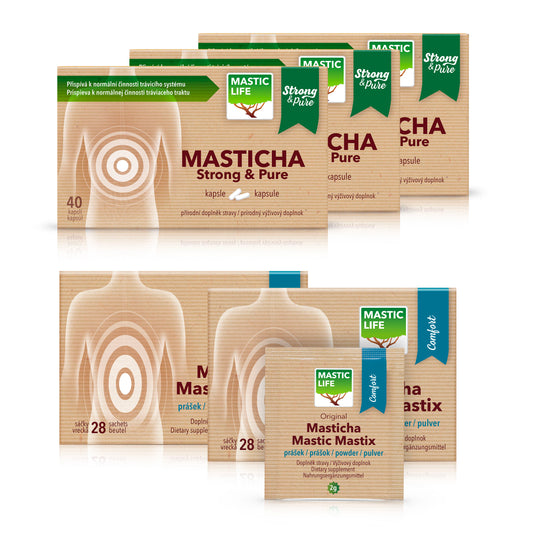 8-week treatment 🗓️
Mastic 8 weeks
Regular price 28.900 HUFRegular price36.100 HUFSale price 28.900 HUFSale -
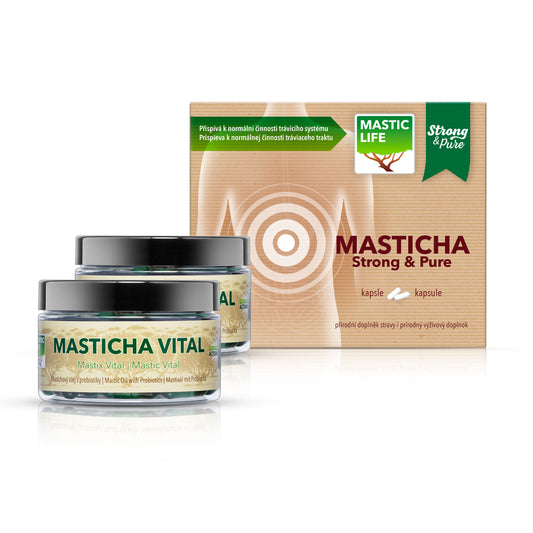 60-day treatment 💪
Mastic Gum Extra for 60 days
Regular price 48.800 HUFRegular price61.000 HUFSale price 48.800 HUFSale -
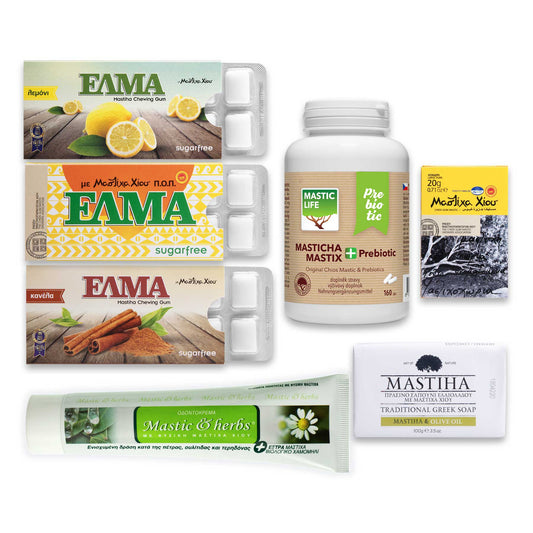 Gift set 🎁
Mastic „Life with Mastic"
Regular price 23.200 HUFRegular price26.400 HUFSale price 23.200 HUFSale -
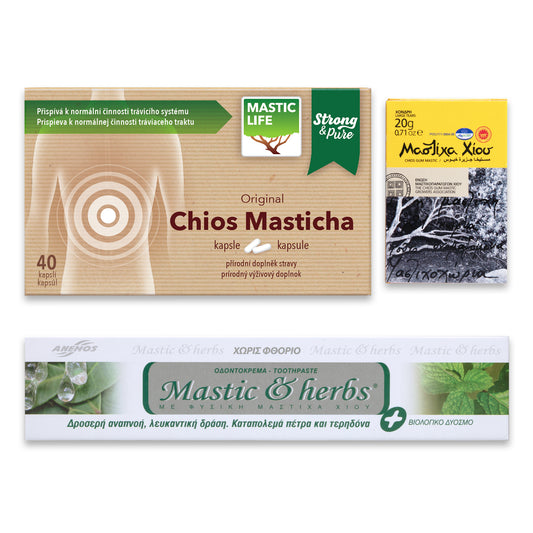 Gift set 🌿
Mastic „Pure Mastic“
Regular price 11.700 HUFRegular price12.700 HUFSale price 11.700 HUFSale
