
H. Pylori Test at Home: Stool & Blood Test Kits Compared
About Helicobacter pylori
Helicobacter pylori is a common stomach bacterium linked to ulcers and gastritis. It is a medical condition diagnosed and managed by a doctor. Testing at home is a helpful first step — this page is for information only.
In short: You can test for Helicobacter pylori at home using a stool antigen test or a blood antibody test kit — both are simple, private, and give a result in about 10 minutes. A urea breath test or endoscopy are the clinic-based alternatives. Whatever the result, discuss it with your doctor, who can confirm the diagnosis and decide on treatment.
Written by Zuzka, Masticlife content team · Last updated September 9, 2026
In this article

Why test for H. pylori
Many people carry H. pylori without symptoms, but the infection is a common cause of stomach ulcers and gastritis. If you have recurring stomach discomfort — pain, bloating, nausea or frequent heartburn — testing at home helps you find out whether the bacterium is present, so you and your doctor can decide what to do next. Early detection helps prevent chronic problems. Learn more about the signs of H. pylori.
Types of H. pylori tests
There are four main ways to test for H. pylori. Two of them — stool and blood — are available as easy at-home test kits.
| Test | Sample | What it detects | Where |
|---|---|---|---|
| Stool antigen test | Stool sample | Active infection (H. pylori antigen) | At home or lab |
| Antibody blood test | Finger-prick blood | Antibodies against H. pylori | At home or lab |
| Urea breath test | Breath | Active infection | Clinic |
| Endoscopy (biopsy) | Stomach-lining sample | Active infection + tissue changes | Clinic |
Swipe table sideways on mobile to see all columns.
Home test kits we offer

Stool antigen test
Non-invasive home test that detects active infection from a stool sample. Simple to use, with a rapid result in about 10 minutes.
View stool test
Antibody blood test
Home blood test that detects antibodies against H. pylori from a small finger-prick sample. Everything you need is in the kit.
View blood testSee all options in the Helicobacter pylori tests collection.
How a home test works
Collect your sample — a small stool sample or a finger-prick of blood — following the kit instructions.
Add the sample to the test device as directed and wait — most tests give a result in about 10 minutes.
Read the result in the window (lines indicate a positive or negative result).
Discuss the result with your doctor — especially if it's positive or your symptoms persist.
How accurate is an at-home test?
Rapid stool antigen and blood antibody tests are designed to give a reliable indication of infection when used correctly, but no test is 100% accurate. A few things can affect your result:
- Antibiotics, bismuth-containing medicines, or acid-reducing drugs (PPIs) taken in the weeks before testing can cause a false negative on a stool antigen test.
- Blood antibody tests can stay positive for a while after a past infection has already been treated, since antibodies take time to clear.
- Following the kit's sample-collection instructions exactly matters for a reliable reading.
For the exact sensitivity and specificity of a specific kit, check the instructions leaflet included with your test or the product page.
Understanding your result
A home test is a screening tool, not a diagnosis. A positive result suggests H. pylori may be present — take it to your doctor, who can confirm it (for example with a breath test or endoscopy) and decide on treatment, usually a combination of antibiotics with acid-reducing medication. A negative result is reassuring, but if symptoms continue, see your doctor anyway.
FAQ: H. pylori testing at home
Can I test for H. pylori at home?
Yes. Home stool antigen and blood antibody test kits are simple to use and give a result in about 10 minutes. Discuss the result with your doctor.
Is a home H. pylori test kit accurate?
Home stool and blood test kits are designed to give a reliable result when used as directed, though no test is 100% accurate — recent antibiotics, bismuth or acid-reducing medication can affect a stool test's result.
What's the difference between the stool and blood test?
The stool test detects active infection (H. pylori antigen), while the blood test detects antibodies against H. pylori. Both are easy home options; your doctor can advise which is most appropriate for you.
Can medication affect my H. pylori test result?
Yes. Antibiotics, bismuth-containing products and acid-reducing medication (PPIs) taken shortly before testing can cause a false negative on a stool or breath test. Tell your doctor about any recent medication when discussing your result.
How much does a home H. pylori test kit cost?
A home test kit is generally far more affordable than a lab test or specialist visit, and lets you screen privately before deciding on further care. Current pricing is on the stool test and blood test product pages.
What should I do if my test is positive?
See your doctor. They can confirm the diagnosis and decide on treatment, which is usually a combination of antibiotics with acid-reducing medication.
Does a home test replace a doctor?
No. A home test is a screening tool. Any positive result, and any ongoing symptoms, should be assessed by a doctor.
Want clear answers in the privacy of your home? Start with a simple test, then talk to your doctor.
Continue reading
For the full picture — what H. pylori is, how it spreads, and what happens if it's left untreated — see our complete H. pylori guide.
Mastic for your gastrointestinal tract
-
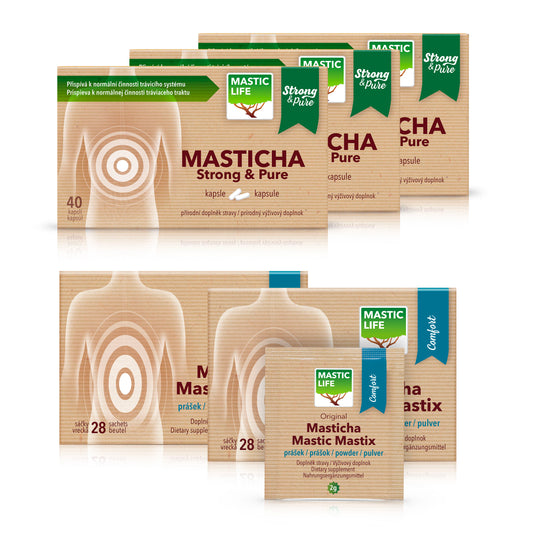 8-week treatment 🗓️
Mastic 8 weeks
Regular price 28.800 HUFRegular price36.000 HUFSale price 28.800 HUFSale -
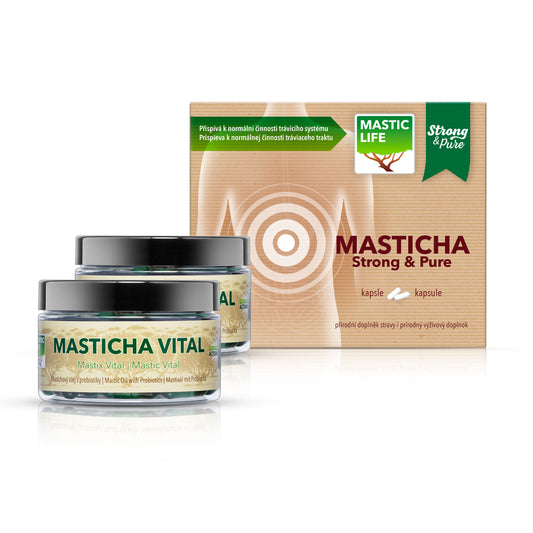 60-day treatment 💪
Mastic Gum Extra for 60 days
Regular price 48.700 HUFRegular price60.900 HUFSale price 48.700 HUFSale -
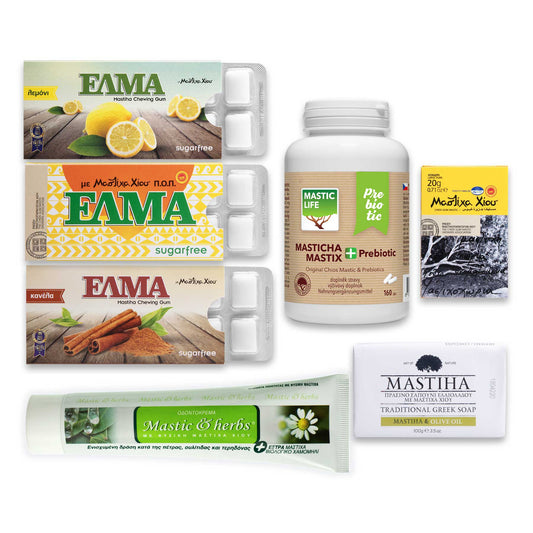 Gift set 🎁
Mastic „Life with Mastic"
Regular price 23.200 HUFRegular price26.400 HUFSale price 23.200 HUFSale -
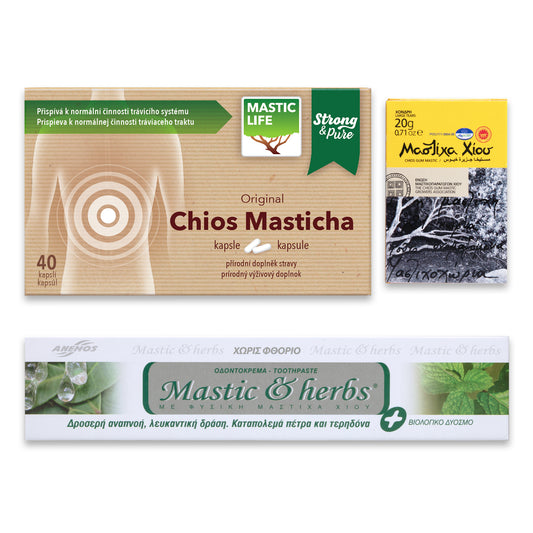 Gift set 🌿
Mastic „Pure Mastic“
Regular price 11.700 HUFRegular price12.700 HUFSale price 11.700 HUFSale
